


SAKA International
Together we can make a difference
The Iqra Project
Transforming Challenges into opportunities through education.
Mission
Education for women and those with refugee status is a critical and challenging issue, given the unique circumstances and barriers that displaced populations often face. Addressing the educational needs of women requires a holistic and collaborative approach therefore working alongside governments, NGOs, international agencies, and local communities allows us to create sustainable and inclusive solutions.
Empowering Women through Education: A Global Need and Challenge
SAKA International Collaborates with The London School of Public Health (TLSPH LTD) to Empower Women and Girls through Education
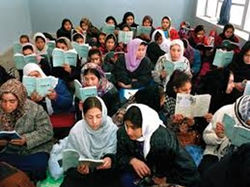
SAKA International, in partnership with The London School of Public Health (TLSPH LTD), proudly introduces the IQRA Project, an initiative aimed at providing education to women and girls in areas of low literacy. This collaboration focuses on fostering knowledge and building opportunities for those who have traditionally faced barriers to education.
The IQRA Project combines SAKA International’s grassroots expertise with TLSPH’s educational resources to create impactful programs tailored to the needs of underserved communities. Together, we are committed to transforming lives by delivering accessible, high-quality educational content designed to inspire and empower women and girls.
Across the world, millions of women and girls are still denied access to education, particularly in regions affected by conflict, poverty, and social inequality. Despite the significant progress made in recent decades, barriers to education for women remain deeply entrenched in many parts of the world.
Key Statistics on Education Gaps:
1. Sub-Saharan Africa:
-
Approximately 130 million girls are not in school, many due to poverty, child marriage, and gender-based violence. In some countries, the gender gap in education is striking: for instance, in Niger, only 21% of girls complete primary school.
2. South Asia:
-
In countries like Pakistan, Afghanistan, and rural India, girls' school enrolment rates are significantly lower than boys', with approximately 32 million girls not attending school in South Asia alone.
Middle East & North Africa:
-
Conflict and instability in countries like Syria, Yemen, and Iraq have severely disrupted education systems. In Syria, before the conflict, 98% of girls were enrolled in primary school; today, millions of girls have lost their educational opportunities due to war. Similarly, in Yemen, only 30% of girls attend secondary school.
Latin America & the Caribbean:
-
While overall female enrolment is improving, issues of early marriage and domestic violence continue to restrict education for many girls, particularly in rural or marginalized communities.
Sub-Regions with Protracted Conflicts (e.g., Central African Republic, South Sudan):
-
Conflict has devastated education infrastructures in these areas, with schools destroyed or repurposed for military use. Girls in conflict zones are often disproportionately affected due to safety concerns, cultural norms, and limited resources.
Why Women and Girls Are Denied Education:
Conflict & Instability: Wars, civil unrest, and displacement can destroy schools and make it unsafe for girls to attend. In some areas, education infrastructure may be repurposed for military purposes, while in others, the threat of violence and trafficking makes education an unattainable luxury.
Cultural & Gender Norms: In many societies, the cultural and societal expectation is for girls to marry young, help with household duties, or care for younger siblings instead of attending school.
Poverty & Economic Constraints: Families living in poverty may prioritize boys' education over girls, especially when resources are scarce. When financial constraints are a reality, the education of girls is often the first thing sacrificed.
Lack of Educational Infrastructure: Many regions, particularly rural or conflict-affected zones, have poor educational facilities. Without schools, trained teachers, and access to learning materials, children—especially girls—are often left behind.
Health & Safety Concerns: Poor sanitation, long distances to travel, and the risk of violence on the way to school further discourage families from sending their daughters to school.

 |  |  |
|---|---|---|
 |  |  |
 |
Vision
SAKA International has long been committed to empowering women and children through education. As we expand our efforts to reach conflict-affected areas in the Middle East, we recognize that a well-rounded educational support system is needed to help rebuild and empower communities. Our goal is to provide critical resources such as school supplies, books, and educational materials while also working with local organizations to address the broader systemic issues that prevent girls from accessing education.
Key Areas of Focus:
Rebuilding Schools and Education Systems:
-
SAKA International will work closely with local governments, community leaders, and NGOs to help rebuild damaged schools in conflict zones. We will support the training of female teachers, helping them to become leaders and role models within their communities.
Providing Educational Materials:
-
A crucial part of our work is ensuring that girls have the books, stationery, and learning materials they need to succeed in school. In many conflict zones, schools are often short of even the most basic resources, making education a distant dream. SAKA’s initiatives will focus on donating books, notebooks, pens, and other essential materials that can help girls learn and thrive in school.
Creating Safe Spaces for Girls:
-
We understand that many girls face unique challenges in attending school, particularly in conflict zones. Our projects will provide safe learning environments, with a special focus on creating spaces where girls feel protected from violence and exploitation.
Raising Awareness and Engaging Local Communities:
-
Education is not just about resources—it's also about changing mindsets. SAKA will actively work to engage communities, particularly parents, to emphasize the importance of girls' education and challenge harmful cultural norms that prevent girls from attending school.
Supporting Scholarships and Incentives for Girls:
-
For families living in poverty, the cost of sending a girl to school can be prohibitive. SAKA will provide scholarships, school fee support, and incentives for girls to continue their education beyond primary school.
-
The Need for Donations
Your donation will help SAKA International make a direct impact on the lives of women and girls in some of the most challenging environments on earth. Donations will be used to:
-
Supply Educational Materials: Providing books, stationary, and uniforms to girls in conflict zones.
-
Rebuild Schools: Rebuilding classrooms, providing desks, chairs, and other infrastructure to make learning possible again.
-
Support Scholarships: Enabling girls to attend school by covering tuition fees, travel expenses, and other hidden costs.
-
Develop Teacher Training Programs: Supporting the training and professional development of female educators who can inspire the next generation of women leaders.
How Your Contribution Will Be Used:
£50 can provide school supplies for a girl for an entire year.
£200 can fund a scholarship for a girl to attend secondary school.
£500 can provide materials to rebuild a classroom in a conflict-affected area.
£1,000 can support the training of 10 teachers to help them educate and empower the next generation of girls.
Together, We Can Make a Difference
Education is the key to breaking the cycle of poverty, empowering women, and building a brighter future for the next generation. SAKA International is committed to ensuring that every girl, no matter where she lives, has access to the education she deserves. With your support, we can create lasting change and open doors of opportunity for women in some of the world’s most challenging regions.
Join Us Today. Donate to Empower Women !